Melidia: A Bold Hand Brushed Typeface for Digital Branding
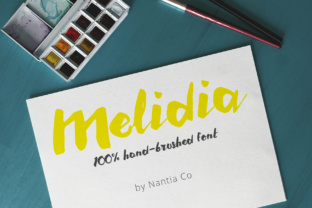
As a web designer who ships high-conversion landing pages, branded SaaS dashboards, and responsive online stores daily, I reach for Melidia when I need a Script Handwritten font that performs—not just decorates. Melidia is a bold, hand brushed typeface with confident strokes, subtle texture, and rhythmic contrast—engineered for impact at scale. Unlike fragile script fonts that vanish on mobile or blur in hero sections, Melidia holds its voice across devices, loads fast as a modern webfont, and reinforces brand warmth without sacrificing professionalism. It’s not a decorative afterthought—it’s a strategic Fonts choice for designers who treat typography as interface architecture.
Melidia for Restaurant Websites and Food Branding
When building a restaurant website or food-focused Shopify store, every pixel must signal authenticity and appetite appeal—and Melidia delivers instantly. Its bold, hand brushed character conveys craft, freshness, and human touch: ideal for menu headers, “Order Now” buttons, seasonal promo banners, and hero section taglines like “Handcrafted Daily” or “Farm-to-Table Since 2018.” On dark backgrounds (think charcoal food photography overlays), Melidia’s thick strokes retain clarity; on light cream or oatmeal UI surfaces, it adds tactile contrast without visual noise. As a Script Handwritten display font, it works best at 32–64px for headings and 20–28px for short CTAs—never body copy. Pair it with a clean, neutral sans serif like Inter or Manrope for menus, descriptions, and pricing tables to maintain scannability and accessibility.
Melidia for Social Media Graphics and Digital Ads
If you’re designing Instagram carousels, Pinterest pins, or Facebook lead ads for a food brand, café, or meal-kit startup, Melidia gives your visuals instant recognition and emotional resonance. Its modern style—neither overly ornate nor sterile—strikes the right balance between approachable and premium. Use it for overlay text on food photography: “Summer Berry Tart • Made Fresh Daily” works powerfully at 48px over a blurred background. Because Melidia is a bold, hand brushed typeface, it resists compression artifacts common in social platforms’ image encoding. For animated banners or Reels text, limit usage to 3–5 words per frame—its expressive weight shines strongest in brevity. As a Fonts asset, Melidia includes standard OpenType features and web-optimized WOFF2 files, so it renders crisply across iOS, Android, and desktop feeds.
Melidia for Online Store Banners and Product Packaging Mockups
In e-commerce UIs—especially DTC food brands, artisanal goods, or subscription boxes—Melidia strengthens perceived value at first glance. Drop it into hero banners (“Small-Batch • Hand-Poured • Ready to Ship”), limited-edition labels (“Holiday Spice Blend • Only 200 Jars”), or product card accents (“Gluten-Free • Vegan • Small-Batch”). As a Script Handwritten typeface, it implies care and intentionality—qualities buyers associate with premium packaging. When mocking up digital packaging previews (for Shopify product pages or email campaigns), Melidia scales cleanly from 16px (small badge text) to 72px (hero headline). Just avoid tight letter-spacing below 24px—its brushstroke energy needs breathing room. For consistent brand identity, use Melidia only for primary messaging and pair it with a highly legible system font (e.g., IBM Plex Sans) for ingredient lists, shipping info, and legal disclaimers.
Melidia for Landing Pages and Conversion-Focused Layouts
Landing pages live or die by hierarchy—and Melidia excels as a visual anchor. Its bold, hand brushed presence immediately draws attention to value propositions: “Join 5,000+ Home Chefs” or “Your First Box — 50% Off.” Used sparingly in H1s, testimonial quotes, or CTA buttons (“Get My Menu Kit”), it creates focal points that guide scanning behavior upward and left-to-right. Crucially, Melidia maintains readability on mobile: test at 24–32px on iOS Safari and Chrome Android—its open counters and generous x-height prevent crowding. As a Fonts solution, it supports Latin-based languages and includes basic punctuation and numerals needed for pricing, dates, and contact details. Always serve it via self-hosted webfonts (not Google Fonts) to ensure licensing compliance for client projects and commercial online stores.
Melidia for Creative Portfolios and Branded Web Experiences
Creative professionals—culinary photographers, food stylists, branding studios—use Melidia to unify their entire digital presence: portfolio site headers, case study titles, newsletter banners, and even favicon text treatments. Its modern style bridges editorial polish and handmade charm, making it equally at home in a minimalist portfolio grid or a richly layered brand kit preview. As a Script Handwritten typeface, it signals personality without compromising sophistication—ideal for “About” section headlines or project tags like “Branding • Packaging • Digital.” For dark-mode interfaces, Melidia’s stroke contrast remains effective against deep navy or charcoal UI backgrounds. And because Melidia is a bold, hand brushed typeface, it pairs naturally with serif body fonts (like Crimson Text) for long-form storytelling or with geometric sans serifs (like Poppins) for crisp, contemporary rhythm.
Melidia Licensing for Websites, Apps, and Client Projects
All Fonts used commercially—on live websites, SaaS dashboards, client landing pages, or downloadable digital templates—require proper licensing. Melidia is a premium font with clear commercial terms covering web embedding, app UI use, and resale in design assets (e.g., Figma UI kits, Canva templates). It’s not a free Google Font, and it shouldn’t be loaded via third-party CDNs without verification. When purchasing, confirm support for WOFF2, variable weight options (if offered), and multilingual glyphs if your audience spans EU or LATAM markets. For agencies and freelancers: license Melidia per domain or per project, depending on scope—this protects both you and your clients from compliance risk while ensuring consistent, high-fidelity rendering across all digital touchpoints.